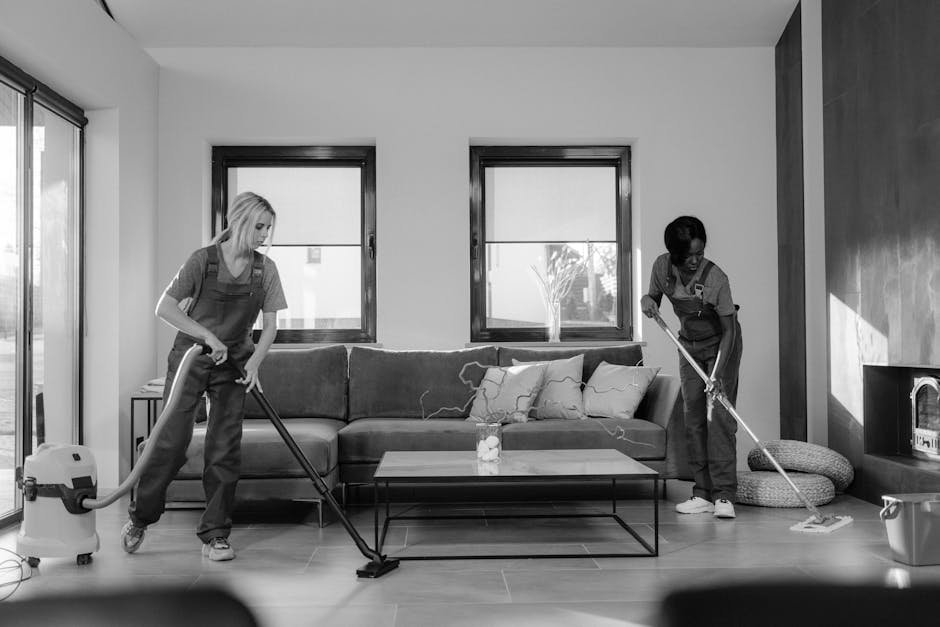
What Harringay landlords need to know about tenancy cleaning rules
If you let property in Harringay, tenancy cleaning is one of those things that sounds simple until a move-out handover turns messy. One tenant says the flat was cleaned, the next says it was not, and suddenly you are looking at scuffed skirting boards, a kitchen that smells faintly of last night's takeaway, and a checkout report nobody is thrilled about. This guide explains What Harringay landlords need to know about tenancy cleaning rules in plain English, with a practical focus on what to expect, what you can ask for, and how to avoid disputes without making the process more complicated than it needs to be.
You will find clear guidance on legal fairness, inventory standards, common mistakes, best practice, and the cleaning areas that usually matter most at the end of a tenancy. Truth be told, most problems do not come from the cleaning itself. They come from vague expectations. Let's fix that.
Table of Contents
- Why tenancy cleaning matters for Harringay landlords
- How tenancy cleaning rules work in practice
- Key benefits and practical advantages
- Who this is for and when it makes sense
- Step-by-step guidance for landlords
- Expert tips for better results
- Common mistakes to avoid
- Tools, resources and recommendations
- Law, compliance, standards and best practice
- Options, methods and comparison table
- Case study or real-world example
- Practical checklist
- Conclusion
- Frequently asked questions
Why What Harringay landlords need to know about tenancy cleaning rules Matters
End-of-tenancy cleaning is not just about getting a property to look nice for the next viewing. For landlords, it is about protecting the condition of the home, reducing void periods, and making the move-out process feel fair to everyone involved. In a busy area like Harringay, where rental properties turn over at different speeds and standards can vary widely, clarity matters more than ever.
The biggest issue is usually not whether a property was cleaned. It is whether it was cleaned to the expected standard. A tenant may have done a decent surface clean, but if limescale remains in the bathroom, grease has built up around the cooker, or carpets still hold pet odour, the property may not be ready for re-let. That can affect your next tenant's first impression straight away.
There is also the dispute angle. If cleaning expectations are not set out in the tenancy agreement and backed up by an inventory or check-out report, disagreements over deposit deductions become harder to defend. That is where many landlords get caught out. Not because they were unreasonable, but because the evidence trail was thin.
Expert summary: A good tenancy cleaning process is not about demanding perfection. It is about setting a fair, documented standard and using consistent evidence when the tenancy ends.
And yes, a spotless flat rents better. That really is still true. First impressions count. A clean hallway, fresh carpets, and a kitchen that does not carry yesterday's smell can change how a viewer feels in the first thirty seconds. Harsh, but real.
How What Harringay landlords need to know about tenancy cleaning rules Works
In practical terms, tenancy cleaning rules are a mix of legal fairness, tenancy agreement wording, and everyday property management. There is no universal rule that says every tenant must pay for a professional clean. What matters is the condition the property was in at the start, what the contract says, and whether the end-of-tenancy condition is comparable, allowing for fair wear and tear.
A sensible landlord approach usually follows this sequence:
- Set expectations early. Make sure the tenancy agreement explains that the property must be returned in a similar condition to the start, subject to fair wear and tear.
- Document everything. Use a check-in inventory with photographs, noting carpets, upholstery, appliances, bathrooms, and any pre-existing marks.
- Inspect before handover. Do a realistic pre-check-out visit if you can, so the tenant knows what needs attention.
- Compare condition fairly. Look at the checkout against the inventory, not against a mental image of "how it should have been".
- Arrange or request cleaning if needed. If the property is not at the required standard, agree who is responsible and what evidence supports the claim.
In many cases, landlords choose to specify that the property must be professionally cleaned if it was professionally cleaned at the start. That can be sensible, but only if the requirement is written clearly and applied reasonably. If a tenant has kept the place in excellent condition and done an equivalent clean, insisting on a needless repeat clean can be a headache. You can probably see where arguments begin.
For landlords dealing with carpets, upholstery, or stubborn marks, specialised cleaning can matter too. A general tidy is not the same as proper carpet cleaning, and a quick wipe-down will not remove deep-set sofa stains or pet smells. This is often where a targeted approach pays off.
Key Benefits and Practical Advantages
Getting tenancy cleaning rules right has benefits that go beyond avoiding awkward conversations at the end of a tenancy.
- Fewer deposit disputes. Clear standards and photo evidence make claims easier to justify.
- Faster re-letting. A well-cleaned property can be marketed sooner, with less time spent on remedial work.
- Better tenant relationships. People are more likely to cooperate when expectations are plain and fair.
- Lower repair risk. Regular cleaning helps spot issues early, such as leaks, mould, or hidden damage under furniture.
- Stronger presentation. Clean carpets, windows, and furnishings improve viewing quality immediately.
There is a quieter benefit too: less stress. Landlords often juggle contractors, references, compliance paperwork, and void periods all at once. A straightforward cleaning policy removes one unnecessary variable. One less thing to chase at 6:45 on a Friday evening, which is no bad thing.
If the property includes soft furnishings, cleaning them properly can also protect your investment. For example, an upholstered armchair or sofa can hold odours and allergens long after a surface clean. In those cases, upholstery cleaning may be more appropriate than a general wipe-down, especially if the tenant has used the property heavily.
Who This Is For and When It Makes Sense
This topic matters most to landlords, letting agents, and property managers in Harringay who want a cleaner, more defensible move-out process. It is especially useful if you rent:
- furnished or part-furnished flats
- family homes with carpets and soft furnishings
- HMOs with higher turnover and heavier wear
- period properties where features are more delicate
- homes with pets, smokers, or long-term tenants
It also makes sense if you are preparing a tenancy agreement, updating your check-in procedure, or dealing with repeated disputes over cleanliness. To be fair, once you have had one awkward deposit argument, you usually never want another.
For landlords with commercial-style or high-traffic property needs, it can be useful to think beyond standard domestic cleaning. While this article is focused on residential tenancies, the same logic applies to more demanding spaces where presentation and hygiene have a direct impact. In some settings, commercial carpet cleaning becomes relevant simply because the traffic levels are higher and the fibres pick up more soil.
Step-by-Step Guidance
If you want a clean, low-friction tenancy exit, this is the practical route.
1. Put the cleaning standard in writing
Use plain language in the tenancy agreement. The goal is not to write a legal essay. It is to explain what condition the property must be returned in, and whether professional cleaning is required where appropriate. Avoid vague terms like "clean and tidy" on their own. They are too open to interpretation.
2. Create a proper inventory at move-in
This is the backbone of the whole process. Record the condition of carpets, walls, kitchen appliances, bathrooms, curtains, mattresses if provided, and any furniture. Photos help, but written notes matter too. If there was already a mark on the rug, say so. If a sofa had a faint stain at the start, note it.
3. Keep communication calm and specific
If you spot an issue before the end of the tenancy, tell the tenant exactly what needs attention. "Deep clean the kitchen" is weak. "Degrease extractor fan, oven shelves, backsplash and cupboard fronts" is much better.
4. Inspect room by room
At checkout, work through the property systematically. Look at:
- kitchen appliances and hidden grease areas
- bathroom grout, taps and limescale
- window sills and frames
- floors, carpets and rugs
- soft furnishings and curtains
- pet hair, stains and odours
Small details matter. A clean-looking flat can still fail a closer inspection if smells linger or dust has gathered in corners. You know that slightly stale smell from a closed room? That one. It is often the first sign you need more than a surface clean.
5. Decide whether professional cleaning is justified
If the property has heavy staining, persistent odour, or delicate surfaces, a professional service may be the most efficient route. For stubborn marks, a dedicated stain removal treatment can save time and prevent further damage from harsh DIY attempts. In some cases, steam-based methods are ideal for resilient flooring and fibres, which is where steam carpet cleaning may be the right fit.
6. Keep receipts and photographs
If you arrange cleaning yourself and intend to recover costs where appropriate, keep the paperwork. That includes invoices, before-and-after photos, and any notes about the condition found during inspection. A tidy record is worth more than a frustrated memory, every time.
Expert Tips for Better Results
Over the years, the difference between a smooth turnover and a sticky one usually comes down to a few small habits.
- Do not wait until the final day. Tenants often underestimate how long a proper move-out clean takes.
- Match the cleaning type to the material. Wool rugs, delicate upholstery, and certain curtains need more care than a standard wipe.
- Use the inventory as your truth source. Not your memory, not the neighbour's opinion, and definitely not a vague feeling that something "doesn't look right".
- Think in zones. Kitchens and bathrooms usually drive most disputes. Start there.
- Beware of odour issues. Pet or smoke odours can linger after a room looks clean. They need specific treatment, not just perfume sprayed around the place.
If you have furnished a property, pay attention to soft surfaces before the handover. Curtains, rugs and mattresses can hold grime quietly and still make the property feel tired. A lot of landlords focus on what is visible at eye level and miss the things tenants actually notice once they start living there. Bedding, fabric and flooring are often the real giveaway.
For example, if a tenant has had pets, it can be worth considering a specialist approach such as pet stain and odour removal. That is not about being fussy. It is about making the home feel properly reset for the next occupant.
Common Mistakes to Avoid
Here is where landlords often trip themselves up, usually without meaning to.
- Asking for "professional cleaning" without evidence. If you want that standard, make sure the agreement and inventory support it.
- Expecting wear and tear to vanish. Some fading, minor scuffs, and gentle carpet flattening are normal over time.
- Charging for normal dust. If a property has only light dust after a long tenancy, a full deduction is likely to look unfair.
- Ignoring pre-existing damage. If the mark was already there, you cannot treat it as a new issue later.
- Using the same standard for every property. A modern laminate flat and a furnished family home do not age the same way.
Another common one? Forgetting that some materials need specialist care. A rug that has absorbed years of foot traffic may need a different method from a hallway carpet, and the wrong approach can make it worse. If you need a more tailored clean, rug cleaning or sofa cleaning may be more useful than a general all-in-one service.
And yes, the old "it looked fine to me" defence usually falls apart when there are photos. Strange how that happens.
Tools, Resources and Recommendations
You do not need a huge toolkit, but a few basics make the process much easier.
- Inventory template: a room-by-room checklist with notes on condition and photos.
- Timestamped photographs: useful for check-in and check-out comparisons.
- Cleaning specification sheet: a simple list of what "clean" means in each room.
- Maintenance log: helpful if a cleaning issue is linked to a repair problem, such as damp or a faulty extractor.
- Trusted cleaning provider: especially useful for carpets, upholstery, curtains or other specialist surfaces.
If you are weighing up the cost of using professionals, it can help to look at the scope rather than just the headline price. A quick carpet refresh may be one thing; a full move-out clean involving soft furnishings, ovens, and stain treatment is another. You can review service information and request guidance through pricing and quotes if you need a clearer idea of what is involved.
For fabric furnishings and drapery, specialist support can save a lot of time. Curtain fibres and linings are easy to damage if treated carelessly, so curtain cleaning is often better handled with the right method from the outset. Same goes for mattresses in furnished lets; once a mattress has absorbed odour or staining, a basic vacuum is not going to cut it. Mattress cleaning can help restore hygiene and presentation without replacing perfectly usable items.
Law, Compliance, Standards and Best Practice
This area is worth handling carefully. In the UK, landlords should be fair, consistent and evidence-led when dealing with cleaning at the end of a tenancy. The exact legal position depends on the tenancy agreement, the property condition at both ends, and whether any deduction is reasonable and proportionate.
Three practical principles usually keep you on safe ground:
- Fair wear and tear is not damage. A lived-in property will naturally age.
- Any deduction should be evidence-based. You need documentation that shows the issue, the cost, and why it is reasonable.
- Consistency matters. Similar cases should be treated similarly.
It is also sensible to use a written cleaning standard that reflects the actual property. For example, a furnished flat with cream carpets and a fabric sofa needs more care than an unfurnished unit with hard flooring. Best practice is to tie the requirement to condition and to the inventory, not to a one-size-fits-all demand.
Health and safety matters too, especially when cleaning involves chemical products, ladders, or water extraction. If you are coordinating contractors, checking the provider's safety approach is worthwhile. A clear health and safety policy and appropriate insurance and safety arrangements can give you extra confidence when work is being done on occupied or recently vacated premises.
It can also be sensible to review the provider's terms before booking. Small print is not glamorous, granted, but it helps avoid misunderstandings about access, cancellations, and what counts as a completed clean. The same goes for payment handling and data privacy, especially if you are booking repeatedly for multiple properties. A quick look at terms and conditions and payment and security is simply good housekeeping.
Options, Methods and Comparison Table
Landlords usually end up choosing one of three approaches at tenancy end. Each has its place.
| Approach | Best for | Advantages | Watch-outs |
|---|---|---|---|
| Tenant arranges their own clean | Simple, low-risk handovers | Fast, low admin, can work well with good tenants | Quality can vary a lot unless the standard is clearly defined |
| Landlord arranges cleaning and recharges where fair | Properties needing a consistent standard | More control, easier to schedule before re-let | Must be supported by evidence and reasonable costing |
| Professional end-of-tenancy clean booked in advance | Furnished, high-turnover or heavily used homes | More predictable finish, better for carpets and fabrics | May be unnecessary for lightly used properties |
There is no perfect choice for every property. A small one-bed flat with good tenants may only need a targeted clean. A family home with pets and carpeted bedrooms is a different story altogether. In that case, deep carpet and upholstery work can be the difference between a fast re-let and a property that still feels "not quite fresh".
If the job involves both fabric and floor treatment, combining services can be practical. For example, steam carpet cleaning can tackle embedded soil, while upholstery cleaning deals with sofas and chairs in the same visit. Simple, but effective.
Case Study or Real-World Example
Here is a realistic scenario. A Harringay landlord has a furnished two-bedroom flat with hallway carpets, a fabric sofa, and curtains in the lounge. The tenant leaves after two years. At first glance, the flat looks tidy. The kitchen surfaces are wiped, the beds have gone, and the windows are open. Nice enough. But on closer inspection, the oven has grease on the glass door, the lounge carpet has a faint drink stain, and the sofa carries a low but noticeable pet smell.
The landlord has a good inventory from move-in, with photos showing the carpet condition, sofa fabric, and curtains. That means the checkout comparison is straightforward. Instead of arguing about whether the property is "clean enough", both sides can see what has changed.
The landlord decides to arrange a targeted end-of-tenancy clean rather than replace items. The carpet stain is treated, the sofa is cleaned, and the odour issue is handled separately. The property is ready for viewings soon after, with less friction and no drawn-out debate over who said what. That kind of handover is not glamorous, but it is exactly what good tenancy management looks like.
The main lesson? Specific evidence saves time. Every time.
Practical Checklist
Use this before and after tenancy handover.
- Check the tenancy agreement wording on cleanliness and professional cleaning
- Review the check-in inventory and move-in photos
- Inspect carpets, rugs, curtains, mattresses and upholstery for staining or odour
- Look at kitchen grease, bathroom limescale and hidden dust areas
- Note any fair wear and tear separately from actual neglect
- Give the tenant clear, room-specific feedback before move-out
- Keep a checkout record with time-stamped photos
- Decide whether specialist cleaning is needed for fabrics or floors
- Retain invoices and correspondence if costs may be reclaimed
- Make sure the property is ready for re-let, not just visually tidy
If you work through that list properly, most of the common headaches shrink. Not all of them, of course. But enough to matter.
Conclusion
For Harringay landlords, tenancy cleaning is less about chasing perfection and more about running a fair, documented, repeatable process. When expectations are clear, evidence is strong, and cleaning is matched to the actual condition of the property, the end of a tenancy becomes far easier to manage. You protect the home, reduce disputes, and create a better experience for the next tenant too.
That is the real point behind What Harringay landlords need to know about tenancy cleaning rules: keep it fair, keep it specific, and keep it grounded in what the property actually needs. Simple on paper, yes. But very effective when done properly.
If you need support with carpets, upholstery, odours or a more detailed end-of-tenancy clean, the safest next step is to compare the work required with the condition of the property and choose a service that fits the job rather than overbuying. A calm, sensible approach usually wins.
Get a free quote today and see how much you can save.
Done well, a tenancy handover should feel tidy, fair and quietly uneventful. That is the goal, really.
Frequently Asked Questions
Do Harringay landlords have to require professional cleaning at the end of a tenancy?
Not automatically. Whether professional cleaning can be required depends on the tenancy agreement, the property condition at move-in, and what is reasonable at move-out. If you want that standard, it is best to set it out clearly and back it with an inventory.
Can a landlord deduct cleaning costs from a deposit?
Yes, where the deduction is reasonable, evidence-based, and tied to the tenant's failure to return the property in the agreed condition. You will usually need photos, notes, and invoices or estimates to support the claim.
What counts as fair wear and tear?
Fair wear and tear is the natural ageing of a property through normal use. Minor scuffs, gentle carpet flattening, or light fading over time are usually part of that. Heavy staining, strong odours, or built-up grime are different.
What should a tenancy cleaning checklist include?
A good checklist should cover kitchens, bathrooms, floors, carpets, rugs, upholstery, curtains, appliances, windowsills, skirting boards, and any furnished items. It should also note odours and visible damage, not just surface dirt.
How do I prove the property was not cleaned properly?
The best proof is a clear move-in inventory, dated photos, and a checkout report showing the difference. If possible, keep written communication that shows the tenant was told what needed attention before the end of the tenancy.
Are stains on carpets always the tenant's responsibility?
Not always. It depends on whether the stain was pre-existing, whether it is beyond fair wear and tear, and whether the tenant caused it. That is why before-and-after photos are so valuable.
What if the tenant cleaned the property themselves but I still want a professional clean?
If the tenancy agreement specifically requires a professional clean and that term is fair and clear, you may be on stronger ground. If not, a reasonable DIY clean may be enough, especially where the property is returned in good condition.
Should landlords clean curtains and mattresses too?
If they are part of the furnished property, yes, they should be included in the condition check. Curtains and mattresses can hold dust, staining, and odours, so they are easy to overlook and often worth specialist attention.
How long does end-of-tenancy cleaning usually take?
It depends on the size and condition of the property. A small, lightly used flat may be quicker than a furnished family home with carpets, upholstery, and stubborn kitchen buildup. The state of the property matters more than the postcode, honestly.
What is the best way to avoid cleaning disputes?
Make expectations clear at the start, use a detailed inventory, inspect consistently, and keep the conversation specific rather than emotional. Most disputes shrink quickly when everyone can see the same evidence.
Do pet stains and odours need special treatment?
Usually, yes. Pet issues often sit deeper than the surface and may need specialist treatment rather than general cleaning. If the smell has settled into carpet or furniture fibres, a targeted approach is often the sensible route.
When should a landlord book cleaning before new tenants move in?
Ideally, as soon as the previous tenancy handover is confirmed and any necessary inspection has been completed. That leaves time for any remedial work, drying time, and a proper final walkthrough before marketing the property again.