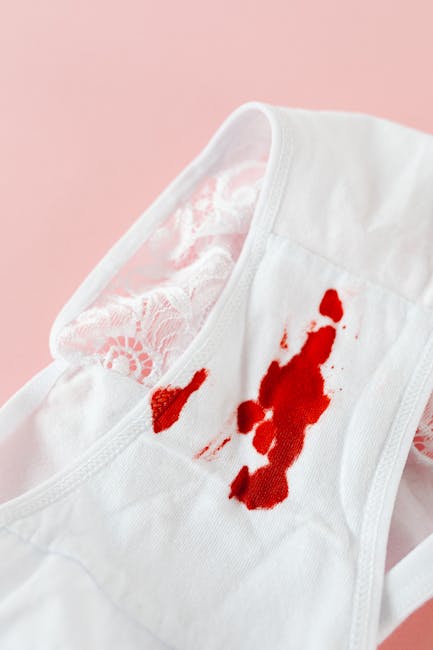
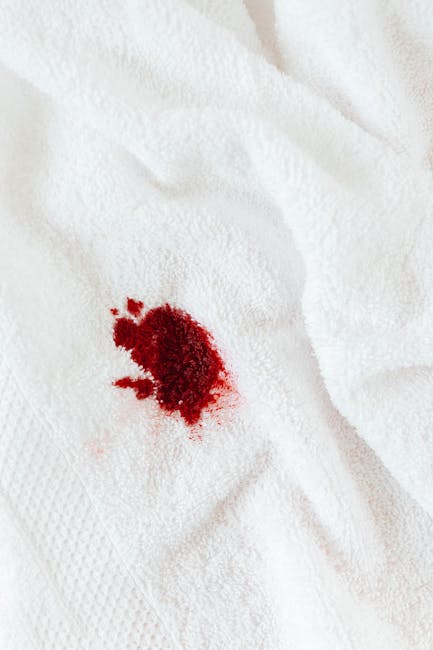
Urgent stain removal service in Harringay same day options
If a spill has just landed on your carpet, sofa, rug, or mattress, the clock starts ticking straight away. Tea, red wine, pet accidents, ink, coffee, muddy footprints, grease - they all behave differently, and the difference between a minor mark and a permanent stain can be a matter of minutes. That is why an urgent stain removal service in Harringay same day options matters so much. It is not just about making the stain look better. It is about stopping it from setting, limiting odour, protecting fibres, and avoiding that sinking feeling when a small accident turns into a bigger job.
This guide explains how same-day stain removal works in practice, when it makes sense, what to ask for, and how to prepare before help arrives. You will also find practical checks, a comparison table, and a real-world example to make the decision easier. Let's face it, when something spills, you do not want theory - you want the next sensible step.
Contents
- Why urgent stain removal matters
- How same-day stain removal works
- Key benefits and practical advantages
- Who this is for and when it makes sense
- Step-by-step guidance
- Expert tips for better results
- Common mistakes to avoid
- Tools, resources and recommendations
- Law, compliance and best practice
- Options, methods and comparison table
- Case study or real-world example
- Practical checklist
- Conclusion
- Frequently asked questions
Why Urgent stain removal service in Harringay same day options Matters
Stains do not wait politely. They soak in, spread out, and sometimes react with the material underneath. A stain on wool carpet, for example, is not the same as one on synthetic fibres. A drink spill on a velvet chair is different again. The sooner the right treatment starts, the better the chance of saving the fabric and its colour, texture, and shape.
In Harringay, same-day options are especially useful for busy homes, rental properties, small businesses, and shared spaces where the room still has to be used later that day. A hallway carpet, restaurant seat, office chair, or family sofa can go from usable to awkward very quickly. If guests are coming over, or you need a room back in service before evening, speed is not a luxury. It is the job.
There is also a practical hygiene angle. Pet stains, food spills, and other organic marks can create smell as they dry. That smell often sticks around long after the visible mark fades. A proper urgent stain removal visit can help reduce that odour before it settles deeper into the backing, underlay, or cushion filling. If pet mess is the issue, the specialist page on pet stain and odour removal is a useful related service to consider.
Expert summary: The best same-day stain removal is not just fast. It is targeted, careful, and matched to the surface. Quick action is valuable, but quick action with the wrong product can make things worse. Bit of a pain, but true.
How Urgent stain removal service in Harringay same day options Works
Same-day stain removal usually follows a simple but important sequence: assessment, spot testing, treatment, and drying guidance. The exact approach depends on the stain type, how long it has been there, and what the item is made from. A good cleaner will not start with a guess. They will start with a diagnosis.
First comes the visual inspection. The technician checks the stain colour, spread, smell, and surrounding fabric. They may ask what caused it, when it happened, and whether anything has already been applied. That last point matters more than people think. A quick DIY fix with the wrong detergent can bind the stain, flatten pile, or leave a sticky residue that attracts more dirt later. Not ideal, obviously.
Next is a small test on an inconspicuous area. This helps reduce the risk of colour run or fibre damage. After that, the cleaner may use a pre-treatment, controlled agitation, extraction, or a fabric-safe spotting product. For some materials, a low-moisture method is the safest route; for others, water-based extraction is more effective. You can see how this overlaps with broader stain removal and, where carpets are involved, with steam carpet cleaning.
Finally, there is the drying and aftercare stage. This part is often rushed by amateurs and skipped in panic. Yet it matters. If a treated area stays too damp, wicking can happen - that is when residue from deeper down rises back to the surface as the carpet dries. A specialist should explain what to expect and how long to keep traffic off the area.
Same-day does not automatically mean "instant." It usually means a rapid response, a realistic arrival slot, and a focused treatment plan that can start as soon as possible. That is the honest version, and the honest version is usually the best one.
Key Benefits and Practical Advantages
The biggest advantage is obvious: you reduce the chance of permanent staining. But there are several other benefits that are easy to miss when you are focused on the mess itself.
- Less fibre damage: Fresh treatment can often use gentler methods than late intervention, because the stain has not fully bonded.
- Lower odour risk: Early cleaning helps reduce lingering smells from food, drink, pet accidents, and moisture.
- Better appearance: A treated stain is more likely to blend into the surrounding surface instead of leaving a shadow or ring.
- Reduced stress: Truth be told, getting someone in the same day is a relief. You stop staring at the mark every ten minutes.
- More suitable for delicate items: Rugs, upholstery, curtains, and mattresses often need a cautious approach that is hard to do well at home.
There is also a value angle. A prompt response can help avoid deeper restoration work later, especially on premium carpets, upholstered furniture, and rugs. If the stain is on seating, sofa arms, or a favourite chair, the right treatment can be far cheaper than replacing the item. For furniture surfaces, the related upholstery cleaning and sofa cleaning services are often relevant.
One more practical benefit: a professional can tell you when not to keep scrubbing. That sounds small, but it is huge. People often overwork a stain, making the affected area larger than the original spill. A quick local response can stop that spiral before it starts.
Who This Is For and When It Makes Sense
Same-day stain removal is useful in a lot of ordinary situations, not just emergencies. If you have ever stood in a room after a spill and thought, "Right, now what?", you are probably in the target audience.
It makes sense for:
- homeowners and tenants dealing with fresh carpet or upholstery stains
- landlords preparing a property between lets
- offices dealing with coffee, tea, ink, or food marks on flooring and seating
- cafes, salons, and small shops needing a quick turnaround before opening hours
- families with children, pets, or lots of foot traffic
- anyone with a valuable rug or delicate fabric that should not be handled roughly
It is especially sensible when the stain is still fresh, when the area is in a high-visibility part of the property, or when odour is already starting to develop. It is also a good idea if you are unsure what caused the mark. Some substances, particularly oily or protein-based spills, can set in odd ways and need the right treatment sequence.
Not every stain needs a same-day visit, to be fair. A tiny dry mark on a low-traffic area may be something you can monitor first. But if the stain is spreading, smells, or is on an item you care about, waiting rarely helps.
Step-by-Step Guidance
When you need a fast result, the best thing you can do is stay calm and follow a simple process. No heroics. No frantic rubbing with the nearest cloth. Just a steady sequence.
- Identify the spill if you can. Water, coffee, red wine, ink, grease, makeup, pet accident, or food residue all need different handling.
- Blot, do not scrub. Use a clean white cloth or absorbent paper and press gently from the outside inward. Scrubbing pushes the stain further in.
- Avoid mixing products. Bleach, vinegar, washing-up liquid, and stain sprays can react badly together. The chemistry is not your friend here.
- Do not soak the area. Too much water can spread the stain or damage the underlay, backing, or padding.
- Check the material. Wool, silk, velvet, jute, and some natural fibres need more care than polyester or nylon.
- Book a same-day assessment. Explain what happened, what surface is affected, and what you have already tried.
- Prepare the space. Move small items, clear access, and make the stain easy to reach.
- Follow drying advice. Keep pets, children, and heavy foot traffic off the treated area until it is ready.
If the stain is on carpet, the technician may also advise a broader clean to avoid visible patching. In some cases, combining stain treatment with carpet cleaning or targeted rug cleaning gives a more even finish, especially on older flooring with general wear.
A small but useful point: take a photo before any more cleaning is attempted. It helps you track whether the stain is changing and gives the cleaner a better starting point. Handy, and no, it does not make you dramatic.
Expert Tips for Better Results
Here is where a little know-how saves a lot of trouble. These are the kinds of things that often separate a clean, neat outcome from a patchy, frustrating one.
- Act quickly, but carefully. Speed matters, yet panic cleaning can do more harm than the original spill.
- Work from the outside in. This helps stop the stain edge from growing.
- Use white cloths only. Coloured fabrics can transfer dye, especially if damp.
- Keep a note of previous treatments. If someone has already used detergent or a stain pen, say so immediately.
- Be honest about the stain history. Old stains, heat-dried marks, and repeated spills need different treatment.
- Let the technician choose the chemistry. Professional spotting agents are selected for the surface and soil type, not just the stain colour.
- Expect some stains to lighten rather than vanish instantly. A realistic outcome is often better than a rushed, aggressive attempt.
Another good tip is to ask whether the item needs more than spot treatment. For example, a sofa arm with a large drink mark may need full-panel cleaning to avoid a clean circle in the middle of an otherwise dull fabric. On curtains and mattresses, surface marking can be tied to hidden moisture or odour. In those cases, a wider approach is smarter than chasing one tiny patch. Related services like curtain cleaning and mattress cleaning can be the better answer.
And one more thing: good technicians usually explain what they are doing in plain English. If you get a lot of vague jargon and no clear next step, that is not very reassuring. You deserve better than that.
Common Mistakes to Avoid
Most stain disasters are not caused by the stain itself. They are caused by the first reaction to it. Seen it countless times. A small spill turns into a larger problem because someone was trying to be helpful in the moment.
- Scrubbing hard: This frays fibres and spreads the stain deeper.
- Using too much water: Over-wetting can push the mark into the backing or underlay.
- Applying random household cleaners: Some products leave residues, bleach the pile, or make later treatment harder.
- Heating the area too soon: Hairdryers and hot air can set some stains permanently.
- Ignoring the smell: Odour can mean residue is still present, even if the surface looks better.
- Waiting until the next day without a plan: Fresh stains are usually easier to treat than set stains. Simple as that.
A quieter mistake is under-communicating. If you have tried something already, mention it. If the item is delicate, say that too. If a stain is on a rental property or a business surface, the cleaner may need to balance stain removal with quick drying and minimal disruption. The more accurate the brief, the better the result.
Tools, Resources and Recommendations
You do not need a cupboard full of specialist products to handle the first few minutes of a spill. In fact, having too many products can make things messier. A simple, sensible setup is best.
- clean white absorbent cloths
- plain paper towels or unprinted kitchen roll
- a small amount of cold water for blotting, if appropriate
- a soft spoon or blunt edge for lifting solids gently
- a vacuum cleaner for dry debris before treatment, if the material allows it
- a phone camera to record the stain before any treatment
For professional support, it helps to know the wider service options available on the same site. Depending on what has been affected, you may find these relevant: upholstery cleaning, steam carpet cleaning, commercial carpet cleaning, and stain removal.
If you want to understand pricing, scheduling, or payment expectations before booking, the pages for pricing and quotes and payment and security are sensible places to look. For company background, you can also review about us and the insurance and safety information.
If you are the sort of person who likes to check the fine print first, fair enough. That is not overcautious. That is sensible.
Law, Compliance, Standards, or Best Practice
For stain removal work in homes and commercial premises, the most relevant guidance is usually not a single legal rule but a cluster of good practice expectations. In plain terms: cleaners should work safely, use suitable products, avoid unnecessary damage, and explain any risks clearly before starting.
In the UK, this usually means taking care with health and safety, especially where chemicals, electrical equipment, or slippery floors are involved. It also means respecting property, following sensible risk controls, and making sure the customer understands any limitations. That matters in shared buildings, rentals, offices, and family homes alike.
For customers, the useful questions are straightforward:
- Has the cleaner asked what the stain is and what surface it is on?
- Do they explain the likely outcome honestly?
- Do they mention safety, drying time, and any aftercare?
- Can they tell you what to do if the stain reappears as it dries?
Policies such as health and safety, complaints handling, privacy, and terms matter because they show how a company works, not just what it sells. If you are comparing providers, it is reasonable to look at pages like health and safety policy, complaints procedure, privacy policy, and terms and conditions before booking. That is just good due diligence, nothing fancy.
Options, Methods, or Comparison Table
Not every stain needs the same approach. The right method depends on the surface, the substance, and how quickly you need the result. Here is a practical comparison.
| Method | Best for | Strengths | Watch-outs |
|---|---|---|---|
| Blotting and light spot treatment | Fresh spills on manageable surfaces | Fast, low-risk, useful as first response | May not remove deeper or older stains fully |
| Targeted professional stain removal | Visible stains on carpet, upholstery, rug, or mattress | Matched chemicals, controlled technique, better chance of full lift | Needs accurate information about the stain and fabric |
| Full surface cleaning | Large marks, patchy areas, or general soil around the stain | More even finish, less risk of a "clean spot" effect | Takes longer and may require more drying time |
| Specialist odour treatment | Pet accidents, milk, food, or damp-related smells | Helps address hidden residue and smell, not just the visible mark | Sometimes needs repeat attention for stubborn odours |
For hard-wearing carpets, steam-based treatment may be suitable. For a treasured rug or a delicate sofa, a lighter and more controlled method may be better. In other words, the best option is not the most aggressive one. It is the one that matches the job.
Case Study or Real-World Example
Picture a Friday afternoon in Harringay. A family has guests arriving later, and someone spills a mug of coffee on a light-coloured living room carpet. The first instinct is to rub it. They stop just in time, blot the area, and call for same-day help.
By the time the technician arrives, the stain has already darkened at the edges but has not fully set. The cleaner checks the fibre type, does a small test, and uses a controlled pre-treatment before careful extraction. Because the spill was fresh and the family avoided scrubbing, the result is much better than it would have been the next morning. The visible mark lifts well, and the room is usable again after drying.
Now compare that with a second scenario. Same spill, but this time someone pours strong detergent on it, scrubs for ten minutes, and then adds hot water. The stain spreads, the pile flattens, and the underlayer gets wetter than it should. A simple coffee mark has now become a larger restoration job. It happens all the time. Not dramatic, just reality.
The lesson is straightforward: if you want a same-day solution, preserve the stain as much as possible while waiting for the right treatment. That does not mean leaving it alone. It means intervening gently and avoiding the common mistakes that undo your own good work.
Practical Checklist
Use this checklist when you need a fast decision. It keeps things simple, which is useful when your brain is half on the spill and half on the carpet.
- Identify the stain if possible: food, drink, pet accident, ink, grease, or unknown.
- Note the time the spill happened.
- Blot gently with a clean white cloth.
- Do not scrub or use hot air.
- Avoid mixing cleaning products.
- Take a photo of the stain before further treatment.
- Clear access to the affected area.
- Tell the cleaner what has already been tried.
- Ask about drying time and aftercare.
- Check whether a larger clean may be needed for an even finish.
If the mark is on a sofa, chair, curtain, or mattress rather than carpet, it may be worth looking at the specialist service most closely aligned to the item. That usually gives a better result than trying to force one method across every surface. A sofa is not a rug, and a mattress definitely has its own rules. Obvious, but easy to forget in a rush.
Get a free quote today and see how much you can save.
Conclusion
Urgent stain removal is about speed, yes, but also about judgement. The right same-day option in Harringay is the one that responds quickly, treats the correct surface safely, and gives you a realistic plan for drying and aftercare. If you act early, keep the area clean but untouched, and choose a method suited to the material, you give yourself the best chance of a good result.
Whether you are dealing with a coffee spill on carpet, a pet accident on upholstery, or a mystery mark on a rug, a calm, informed response usually beats a frantic one. Not glamorous. Just effective. And when the room looks right again, that quiet sense of relief is worth a lot.
For more about the team, company standards, and service details, you may also find the pages on about us and contact us useful before arranging next steps.
Frequently Asked Questions
What counts as a same-day stain removal service?
It usually means a cleaner can assess and begin treatment on the same day you contact them, subject to availability and location. The goal is to stop the stain setting and reduce damage quickly.
Can every stain be removed on the same day?
No. Fresh stains are the best candidates, but older marks, heat-set stains, or damage to delicate fibres may need more than one treatment. Honest providers will say that upfront rather than overpromising.
Should I try cleaning the stain myself before booking?
Only lightly. Blotting is fine; scrubbing is not. If you are unsure, it is safer to do the minimum and let the professional handle the chemistry and technique.
Is same-day stain removal more expensive?
It can be, depending on urgency, timing, and the type of surface. The exact cost varies, so it is worth checking the service's pricing and quote information before you book.
What information should I give when I call for urgent help?
Tell them what the stain is, when it happened, what surface is affected, whether you have tried anything already, and whether there is an odour. That gives them a much better chance of bringing the right approach.
Can stain removal damage carpet or upholstery?
It can if the wrong product, heat, or moisture level is used. That is why testing, careful treatment, and experience matter so much. A good technician will treat the fibre gently and explain any limitations.
What if the stain keeps coming back after drying?
That is often called wicking. It happens when residue from deeper in the fabric rises back to the surface as it dries. If that happens, the cleaner may need to re-treat the area or use a different method.
Do pet stains need special treatment?
Usually, yes. Pet stains often involve odour as well as visible marking, and they can affect backing or underlay. A dedicated pet treatment is usually more effective than a general spot clean.
Is it better to clean just the stain or the whole item?
It depends. A tiny isolated mark may only need spot treatment, but larger or more noticeable stains often blend better when the whole panel, section, or item is cleaned more evenly.
What should I avoid after the stain has been treated?
Avoid heavy foot traffic, moisture, and placing furniture back too early. Let the area dry fully and follow any aftercare advice. A bit of patience here saves a lot of frustration later.
Are carpets, sofas, rugs, and mattresses treated the same way?
No. Each material and construction type needs a slightly different approach. That is why specialist services like carpet, sofa, rug, upholstery, and mattress cleaning exist separately.
How do I know if a provider is trustworthy?
Look for clear communication, sensible expectations, safety information, and straightforward policies. Pages such as insurance, health and safety, privacy, and terms can tell you a lot about how the company operates.
Sometimes a stain is just a stain. Sometimes it is a stressful little interruption that you want gone before the day gets any worse. Either way, a fast, careful response makes all the difference.