Turnpike Lane upholstery cleaning for Harringay shops: a practical guide for busy local businesses
If you run a shop near Turnpike Lane, you already know how quickly upholstery starts to show the reality of daily trade. A waiting chair picks up dust. A fitting-room seat takes a scuff. A cafe banquette collects crumbs, drink marks, and that not-quite-visible build-up that makes a room feel tired. Turnpike Lane upholstery cleaning for Harringay shops is not just about making fabric look nicer for a day or two. Done properly, it helps your premises feel cleaner, calmer, and more trustworthy to customers walking in from the street.
This guide explains what professional upholstery cleaning involves, why it matters for Harringay shops, how the process works, and how to choose the right approach for your business. You will also find a comparison table, a practical checklist, and a realistic example from a shop-floor perspective. If you are also reviewing broader cleaning needs, it may help to look at the wider services overview and the more focused upholstery cleaning in Harringay page for context.
Table of Contents
- Why Turnpike Lane upholstery cleaning for Harringay shops Matters
- How Turnpike Lane upholstery cleaning for Harringay shops Works
- Key Benefits and Practical Advantages
- Who This Is For and When It Makes Sense
- Step-by-Step Guidance
- Expert Tips for Better Results
- Common Mistakes to Avoid
- Tools, Resources and Recommendations
- Law, Compliance, Standards, or Best Practice
- Options, Methods, or Comparison Table
- Case Study or Real-World Example
- Practical Checklist
- Conclusion
- Frequently Asked Questions
Why Turnpike Lane upholstery cleaning for Harringay shops Matters
Shop upholstery has a strange job. It sits there quietly, but it affects how people feel the moment they step inside. A clean bench or chair suggests attention to detail. A stained armrest or dull fabric can do the opposite, even if the rest of the shop is spotless. That first impression happens fast, sometimes in a few seconds, and customers do notice.
For shops around Turnpike Lane and the wider Harringay area, the pressure is a bit different from a home. Footfall is more constant. People come in with wet coats, takeaway coffee, shopping bags, dust from the pavement, and the occasional muddy shoe. If you serve food, offer fitting areas, or let people sit while they wait, your upholstery takes regular wear. Over time, grime settles deep into fibres, and surface cleaning alone no longer cuts it.
There is also a practical side. Well-maintained upholstery tends to last longer, which can help you delay replacement costs. That is a big deal for smaller shops, independent cafes, salons, and local service businesses where every bit of capital matters. To be fair, replacing built-in seating or custom banquettes is rarely quick or cheap, so cleaning is often the sensible middle ground.
Another point people sometimes miss: fabric that looks clean can still hold odours. Busy retail spaces can pick up lingering smells from food, smoke outside, damp coats, pets, or cleaning chemicals used too heavily in the past. Professional cleaning helps reset that background smell and makes the shop feel fresher without turning it into something that smells artificially strong.
Expert summary: upholstery cleaning in a retail setting is about more than appearance. It supports customer confidence, extends the life of furniture, and helps the whole shop feel looked after.
If you are also thinking about local trading conditions and shop presentation in the area, the article on local perspectives on life in Haringey gives a useful sense of the neighbourhood rhythm, while uncovering the hidden charms of Haringey offers a broader local backdrop.
How Turnpike Lane upholstery cleaning for Harringay shops Works
Professional upholstery cleaning is usually more careful than people expect. It is not just a quick spray-and-wipe job. The aim is to lift dirt from the fabric or leather without damaging the material, the backing, or the frame underneath. Different upholstery types need different approaches, and a good cleaner will identify the fabric before starting.
In a shop setting, the process often starts with an inspection. The cleaner looks at the material, the age of the upholstery, any obvious marks, and whether there are areas that need extra care, such as high-contact armrests or the front edge of a bench. That first look matters. A dark synthetic seat and a delicate woven fabric do not behave the same way at all.
Most professional upholstery cleaning follows a sequence like this:
- Dry soil removal with vacuuming and detailing of seams, corners, and creases.
- Pre-treatment of visible stains or heavy traffic areas.
- Selection of a cleaning method suited to the material.
- Careful application of cleaning solution or low-moisture treatment.
- Agitation or extraction to lift dirt from the fibres.
- Final checking, grooming, and drying guidance.
The method itself may be hot water extraction, low-moisture cleaning, foam cleaning, or specialist leather treatment. Upholstery is one of those areas where less is often more. Too much liquid can soak into the cushion, leave a lingering smell, or even cause shrinkage or dye movement. That is why experienced technicians test first and work gradually.
In a busy shop, timing matters too. Cleaning is often arranged before opening, after closing, or on a quieter trading day. Sometimes sections are done in phases so the business can keep running. In real life, that practical flexibility can be just as important as the cleaning result. Nobody wants wet seating in the middle of a Saturday rush, lets face it.
For businesses that want a broader clean at the same time, upholstery cleaning can be combined with other services such as office cleaning in Harringay, house cleaning in Harringay, or domestic cleaning in Harringay where appropriate. It is all about matching the service to the space, not forcing a one-size-fits-all fix.
Key Benefits and Practical Advantages
The benefits of professional upholstery cleaning in a shop are both visible and less visible. The visible part is obvious: cleaner seats, fresher colours, and fewer marks. The less visible part is about how the space feels to customers and staff.
- Better first impressions: tidy seating suggests a tidy business overall.
- Improved comfort: customers are more likely to stay longer if the environment feels clean and cared for.
- Longer furniture life: regular cleaning helps prevent abrasive dirt from grinding into fibres.
- Odour control: a proper clean can reduce stale or trapped smells.
- Reduced visual clutter: old spots and uneven shading often make a room feel more worn than it really is.
- Better hygiene support: while cleaning is not a substitute for disinfection where needed, it does remove soil that can harbour general grime.
For retail businesses in Harringay, there is also a brand angle. If your shop depends on repeat custom, then consistency matters. Regular upholstery maintenance makes your interior feel stable and reliable, even if the business itself is busy and changing all the time. That can matter in hair salons, cafes, waiting rooms, small clinics, boutique shops, and independent showrooms.
A practical advantage people often overlook is staff morale. Employees spend a lot of time in the shop environment. Clean seating, fresher waiting areas, and less cluttered public space all help make the day feel lighter. It is a small thing, but not really. The feel of a place changes behaviour.
There is also a money-saving side. A chair that is cleaned properly and regularly is less likely to be replaced early. If you run a small business, that kind of upkeep is part of sound asset management, even if nobody puts it on the wall.
Who This Is For and When It Makes Sense
This service makes sense for any Harringay shop that uses upholstered furniture in customer-facing or staff areas. That includes more businesses than people first think.
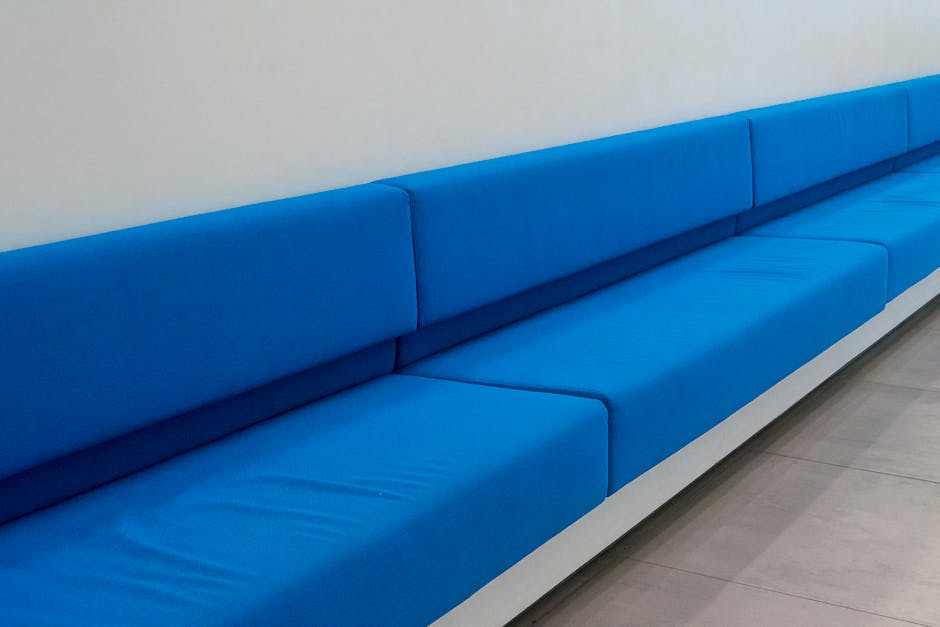
- Cafes and coffee shops: banquettes, stools with padded seats, waiting chairs, window seating.
- Salons and barbers: client chairs, waiting benches, consultation seating.
- Boutiques and fashion stores: fitting-room seating, display-area chairs, staff chairs.
- Health and beauty businesses: treatment room seating, reception chairs, sofas.
- Offices with a shopfront: reception furniture and meeting chairs in customer areas.
- Multi-use premises: places that blend retail, service, and light hospitality functions.
When does it make sense to book? Usually when you notice one or more of these signs:
- Visible traffic marks on arms, headrests, or seat fronts
- Stains that keep coming back after basic cleaning
- A stale smell that lingers even after general cleaning
- Faded, greyed, or uneven fabric colour in high-contact zones
- A change in customer perception, even if no one says it out loud
- Before a rebrand, seasonal refresh, or new display launch
Some business owners wait until furniture looks genuinely bad. That works, in a way, but it is not ideal. A cleaner, lighter-maintenance schedule usually gives better results and causes less disruption. If your shop sees regular footfall near Turnpike Lane, an occasional deep clean often works better than a panic clean once a year.
If your business is mainly service-led, you might also want to compare upholstery care with other cleaning priorities through the carpet cleaning in Harringay page, since floor and seating grime often travel together in busy premises.
Step-by-Step Guidance
If you are planning upholstery cleaning for a shop, it helps to know what the process should look like. The cleaner does the technical work, of course, but good preparation on your side saves time and improves the outcome.
1. Identify the upholstery type
Start with the basics. Is it fabric, faux leather, genuine leather, velvet, microfiber, or a mixed-material piece? If you are not sure, check care labels where possible or ask before booking. Different materials need different temperatures, moisture levels, and cleaning agents.
2. Walk the cleaner through the space
Point out stains, fragile seams, loose buttons, worn areas, and any parts that get used most heavily. This is especially useful in a shop where seating might be fixed in place or tucked around displays. A five-minute conversation can prevent a bigger headache later.
3. Clear access and protect nearby stock
Move small items, displays, and anything that could be splashed. If the furniture sits near shelves, tills, or fabric stock, that matters. A good operator will help with protection, but you can make the job smoother by clearing the route and the immediate area.
4. Expect pre-treatment
Visible marks are usually treated before the main clean. This stage is not magic, though; some stains have set deeply or may have changed the dye. Honest expectations are better than promises that sound too good. Truth be told, not every mark disappears completely.
5. Allow the right drying time
This step is where a lot of shop owners get caught out. Upholstery may feel nearly dry on the surface before the filling beneath is ready. Keep that in mind if you are planning to reopen fast or if customers will be sitting there the same afternoon. Ventilation helps. So does realistic scheduling.
6. Finish with a quick inspection
Check seams, edges, and high-contact areas once everything is dry enough to assess. Look for remaining marks, lifting of pile, or areas that may need a touch-up. If something seems off, raise it promptly rather than waiting a week.
A clean, simple workflow like this keeps the whole job calmer. And honestly, calmer jobs tend to go better.
Expert Tips for Better Results
These are the small habits that make a noticeable difference. Nothing flashy. Just the sort of practical detail that saves hassle.
- Act early on spills: blot, do not rub. Rubbing pushes liquid deeper and can distort fibres.
- Vacuum regularly: dry grit is abrasive and causes dulling over time.
- Use protective throws sparingly: they can help in some spaces, but only if they do not trap dirt underneath.
- Rotate removable cushions: even wear gives a better long-term appearance.
- Keep a stain log: note what happened, when, and what was used. This helps if the same issue returns.
- Match cleaning to trading hours: avoid booking a deep clean just before your busiest period.
One good habit many local businesses adopt is pairing upholstery care with a broader interior refresh. For example, if the shop is already having carpets or common areas cleaned, doing the seating at the same time often feels more efficient. The whole place gets reset in one go.
Another point: ask about fabric protection only if it suits the material and the business use. Sometimes it helps, sometimes it is not worth it. There is no point paying for add-ons that do not match the way the furniture is actually used. A smart approach is always better than an expensive one.
If you want to understand more about the company background and service ethos before booking, the about us page is a sensible place to start, and the insurance and safety information is worth reviewing for peace of mind.
Common Mistakes to Avoid
Most upholstery problems in shops do not happen because people ignore cleaning completely. They happen because someone tries the wrong method, too late, or with too much confidence. Easy mistake, frankly.
- Using too much water: over-wetting can slow drying and create odour issues.
- Scrubbing aggressively: this can rough up fibres or spread the stain.
- Testing on visible areas first: always test in a hidden spot.
- Ignoring fabric instructions: delicate materials need a gentler plan.
- Booking during peak trade: awkward timing creates avoidable disruption.
- Assuming all stains are removable: some have permanently altered the fibre or dye.
- Skipping pre-vacuuming: dry soil can interfere with the cleaning process.
A very common issue in shop environments is trying to mask a smell with fragrance rather than cleaning the source. That might work for an hour. Then the smell comes back, and often louder. Better to remove the build-up properly.
Another small but important point is communication. If there is a difficult stain, a previous spill, or a fabric that has already been treated with another product, say so upfront. Nobody benefits from guessing. Not the cleaner, not the business, not your customers.
Tools, Resources and Recommendations
You do not need to become an upholstery specialist to maintain your premises well, but it helps to understand the basic toolkit and what each thing is for.
| Tool or Resource | What it does | Why it matters for shops |
|---|---|---|
| Commercial vacuum with upholstery attachment | Removes dust, crumbs, and dry grit | Keeps the surface from dulling between professional cleans |
| Fabric-safe pre-treatment | Helps loosen spots and embedded soil | Improves stain removal without heavy scrubbing |
| Microfibre cloths | Used for gentle blotting and finishing | Useful for quick spill response |
| Soft brush or grooming tool | Lifts pile and helps fabric dry evenly | Reduces flattening on textured upholstery |
| Moisture-aware cleaning equipment | Applies controlled cleaning and extraction | Minimises over-wetting and speeds drying |
For business planning, it can also help to review related service pages when you are deciding how best to maintain the whole premises. The pricing and quotes page is useful for understanding how estimates are usually handled, while health and safety policy information can help you think through operational risk in a shop setting.
If you run a mixed-use property or a location that also has rented accommodation or office space above or beside the shop, the end of tenancy cleaning in Harringay page may be relevant for coordinating work across the building. A bit of planning goes a long way.
Law, Compliance, Standards, or Best Practice
For upholstery cleaning in a shop, the main compliance concerns are usually practical rather than complicated: safe chemical use, proper ventilation, avoiding unnecessary disruption, and protecting staff, customers, and nearby stock. If your premises are open to the public, that matters. Common sense, yes, but still worth saying clearly.
In the UK, businesses are generally expected to manage cleaning in a way that does not create avoidable risk. That means:
- Using products appropriately and following product instructions
- Keeping walkways clear during cleaning
- Allowing surfaces to dry or marking areas if they cannot be used yet
- Reducing slip risks from damp floors or drips
- Storing chemicals safely and away from the public
For upholstery specifically, the key best practice is fabric suitability. A method that works on one seat may be wrong for another. That is why reputable providers inspect first, explain any limitations, and avoid overpromising. If a stain is likely permanent, that should be said plainly.
It is also sensible to check practical business terms before booking, especially if you need access arrangements, rescheduling, or payment details clarified. The pages on terms and conditions, payment and security, and the complaints procedure are all part of a trustworthy service experience.
One more thing: if a shop has accessibility considerations, cleaning should not create extra barriers for customers or staff. Temporary access disruption should be kept short, clearly managed, and as unobtrusive as possible. Small business realities, right? But they matter.
Options, Methods, or Comparison Table
Different upholstery cleaning methods suit different commercial settings. The best option depends on fabric type, drying time, and how much disruption your shop can tolerate.
| Method | Best for | Pros | Things to watch |
|---|---|---|---|
| Hot water extraction | Many durable fabric seats and benches | Good deep-clean potential and soil removal | Can require longer drying time |
| Low-moisture cleaning | Busy shops with limited downtime | Faster turnaround and less water use | May be less suitable for very heavy soil |
| Foam cleaning | Light to moderate fabric soiling | Controlled application and relatively gentle | Needs careful residue removal |
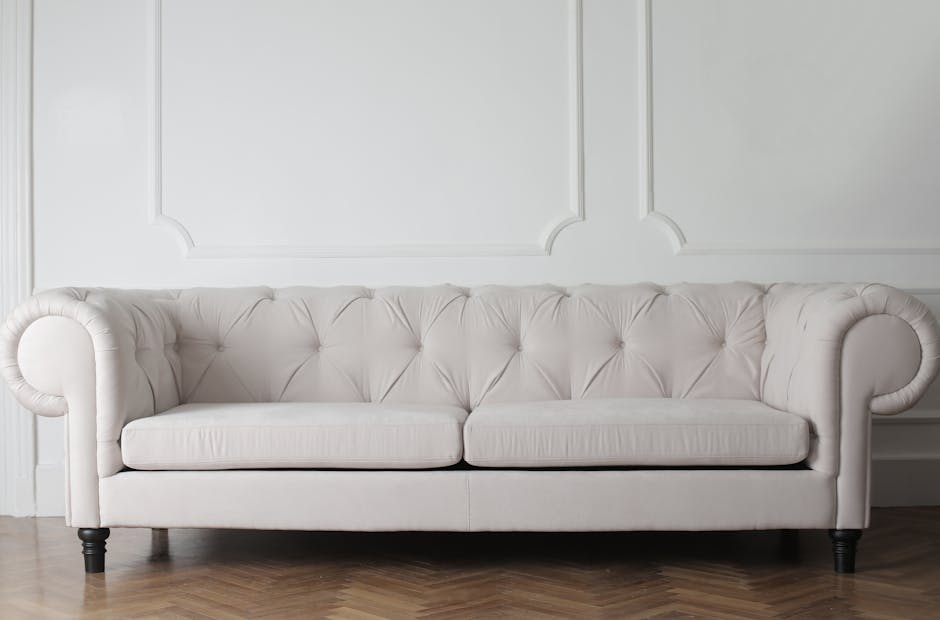
| Leather cleaning and conditioning | Leather chairs, sofas, and waiting areas | Helps clean, nourish, and maintain finish | Requires suitable products and technique |
There is no universal winner. If your shop needs to reopen quickly, low-moisture cleaning may be the sensible route. If the upholstery is heavily soiled and can be left to dry overnight, a deeper method could be better. Sometimes the answer is a mix of techniques across different furniture pieces.
For a fuller picture of how upholstery work fits into local cleaning needs, the page on office cleaning in Harringay is a useful comparison point because many reception and client areas have similar demands.
Case Study or Real-World Example
Here is a realistic example from the kind of job local businesses often need. A small cafe near Turnpike Lane had two upholstered banquettes along one wall and several fabric dining chairs. The seats looked "fine" at a glance, but the front edges were darkened, and one corner carried a faint milk-and-coffee smell that was stronger in the evening than in the morning. Classic problem.
The owner wanted the work done without losing a trading day. The cleaner inspected the fabric, treated the obvious marks first, then used a controlled low-moisture method on the seating so the cafe could reopen later the same day. The dirtiest areas were the fronts and arm-touch points, so those received more attention. A second pass was not needed, but the owner was advised to vacuum the seats regularly and deal with small spills quickly instead of letting them settle.
What changed? Not just appearance. The room looked brighter. Customers stopped choosing the same "clean" chair by the window and avoiding the benches, which is funny in hindsight but very common. The smell issue also settled down once the residue had been lifted rather than masked. The owner described the effect as "the place feeling more awake." That sounds a bit soft, perhaps, but it was accurate.
This kind of result is typical when the upholstery is cleaned before the furniture becomes heavily degraded. Wait too long and you are fighting old build-up, not just surface dirt. Catch it early and the whole job becomes much easier.
Practical Checklist
Use this quick checklist before booking upholstery cleaning for a Harringay shop. It keeps the job straightforward and avoids annoying surprises.
- Identify all upholstered items that need cleaning
- Note the material type if known
- Mark visible stains, wear spots, and odour concerns
- Confirm when the shop can close, pause, or work around the cleaning
- Move stock, loose display items, and fragile pieces away from the area
- Ask about drying times and access restrictions
- Check whether the seating needs fabric-safe or leather-specific treatment
- Clarify pricing, payment terms, and any minimum charge
- Review safety and complaint information before the appointment
- Plan a simple follow-up routine for vacuuming and spill response
If you want to keep the internal fabric maintenance on track after the deep clean, a small monthly routine helps a lot. Vacuum, blot, inspect, repeat. Nothing glamorous, but it works.
Conclusion
Turnpike Lane upholstery cleaning for Harringay shops is one of those services that quietly supports the whole customer experience. It makes a place feel cleaner, more professional, and more comfortable without asking you to replace furniture that still has plenty of life left. For local businesses, especially the independent ones that keep Harringay interesting, that is a smart investment in presentation and practicality.
The key is to choose the right method, book at the right time, and keep expectations grounded. Good upholstery care is rarely dramatic. It is steady, careful, and surprisingly effective when done properly. A clean seat can do more for a room than people expect. Honestly, it's one of the simplest wins a shop can make.
If your business is ready for a fresher look, the next step is straightforward: compare your upholstery needs, review the service details, and arrange a quote that fits your schedule and budget.
Get a free quote today and see how much you can save.
Frequently Asked Questions
How often should a Harringay shop book upholstery cleaning?
It depends on footfall, fabric type, and how the seating is used. Busy customer-facing spaces often benefit from scheduled cleaning before the upholstery reaches the point where marks become difficult to remove.
Will upholstery cleaning disrupt trading hours?
It can, but it does not have to. Many jobs are planned before opening, after closing, or during quieter trading periods. Drying time is usually the main thing to manage, so timing matters.
Can all stains be removed from shop upholstery?
No, not always. Some stains have already altered the dye or fibre, especially if they were left too long or treated with the wrong product. A good cleaner should explain what is likely, not overpromise.
Is upholstery cleaning suitable for leather seating in shops?
Yes, but leather needs a different approach from fabric. It should be cleaned with suitable products and usually conditioned afterwards to help maintain the finish.
What is the difference between upholstery cleaning and carpet cleaning?
Carpet cleaning focuses on floor textiles, while upholstery cleaning is tailored to furniture fabrics, seams, cushions, and frames. The moisture level, technique, and tools are often different.
How long does shop upholstery take to dry?
Drying time varies by material, method, ventilation, and how much solution was used. Some low-moisture cleans dry fairly quickly, while deeper fabric cleaning can take longer. The cleaner should give realistic guidance.
Can I clean shop upholstery myself?
You can handle light maintenance, such as vacuuming and blotting small spills. For deeper grime, embedded stains, or delicate materials, professional cleaning is usually safer and gives better results.
Does upholstery cleaning help with odours?
Yes, if the smell is coming from absorbed dirt, food residue, or everyday build-up. It will not solve every odour problem, but it can make a noticeable difference when the source is in the fabric.
What should I do before the cleaner arrives?
Move loose items, flag problem areas, and make sure the team can reach the furniture easily. It also helps to tell them about any previous stain treatments or fabric concerns.
How do I know whether my upholstery needs deep cleaning or light maintenance?
If the fabric has visible traffic marks, lingering odours, or stains that do not shift with normal vacuuming, it probably needs a deeper clean. If it only needs occasional upkeep, a lighter method may be enough.
Are there any safety considerations for shop upholstery cleaning?
Yes. You should think about slip risks, ventilation, product handling, and keeping customers away from damp areas. Good practice is to schedule the work so the space remains safe and usable.
Where can I learn more about related cleaning services in the area?
You can explore the broader service pages, including the Harringay upholstery cleaning service, the carpet cleaning page, and the main blog for more local guidance.