Haringey Council Upholstery Disposal Rules for Harringay Cleaners
If you clean homes or manage properties in Harringay, upholstery disposal can become one of those small jobs that quietly turns into a big problem. A sofa with a ripped frame, a settee soaked beyond saving, or a chair that has seen one stain too many - all of it has to go somewhere. And if you are working in the area, the Haringey Council upholstery disposal rules for Harringay cleaners matter more than you might think.
Done properly, disposal keeps you on the right side of local expectations, protects your clients, and saves time on awkward rebookings or messy fly-tipping issues. Done badly, it can create complaints, delays, and extra costs. This guide breaks down what cleaners need to know, how to handle different kinds of upholstered waste, and how to make sensible decisions in the real world, not just on paper. Truth be told, that is usually where the trouble starts.
For cleaners who want to offer a smoother service end to end, it also helps to think beyond disposal alone. Upholstery cleaning, sofa cleaning, mattress cleaning, rug cleaning, and even stain removal services all feed into the same wider conversation about waste, reuse, and responsible handling. You will see those connections throughout the article.
Expert summary: Treat upholstered disposal as a compliance issue, a customer-service issue, and a sustainability issue all at once. If you separate those three things clearly, most of the stress disappears.
Table of Contents
- Why Haringey Council upholstery disposal rules for Harringay cleaners matter
- How the disposal process works in practice
- Key benefits and practical advantages
- Who this is for and when it makes sense
- Step-by-step guidance
- Expert tips for better results
- Common mistakes to avoid
- Tools, resources and recommendations
- Law, compliance, standards and best practice
- Options, methods and comparison table
- Case study or real-world example
- Practical checklist
- Conclusion
- Frequently asked questions
Why Haringey Council Upholstery Disposal Rules for Harringay Cleaners Matter
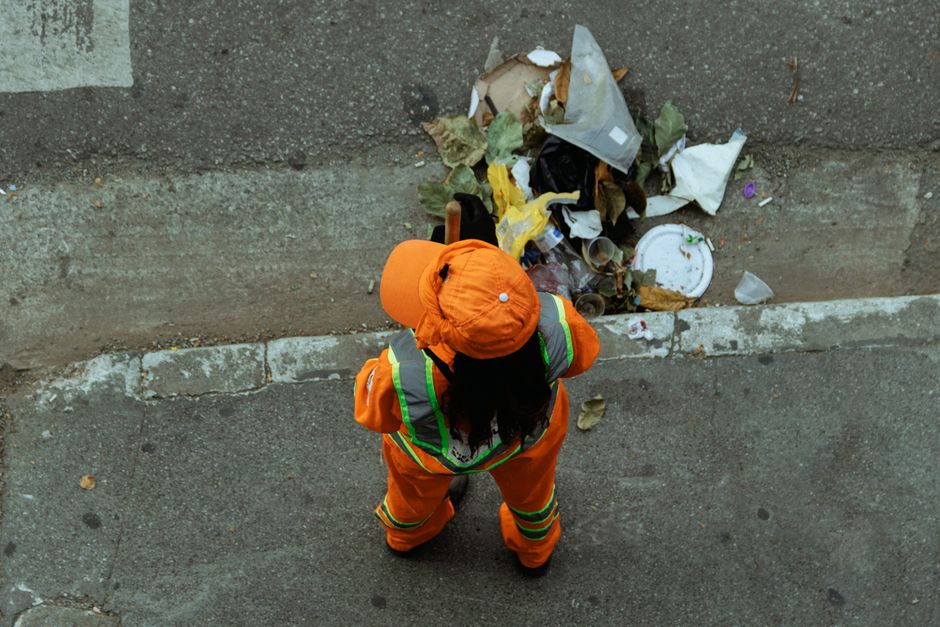
Upholstery disposal is not just about getting rid of an old sofa. For cleaners, it sits right at the junction of waste handling, client expectations, and local street-level reality. In Harringay, where flats are tight on space and communal bins are often already overworked, a bulky item left in the wrong place can become a visible nuisance very quickly.
It matters because upholstered furniture can be awkward to move, hard to store, and expensive to dispose of if handled badly. It also matters because clients often assume "the cleaner will sort it out." Sometimes they mean removal, sometimes they mean advice, and sometimes they simply want the damaged item gone before visitors arrive at six o'clock. You can probably hear the panic in that request already.
There is also a reputation angle. A cleaner who understands disposal rules feels organised, careful, and dependable. A cleaner who leaves a soggy armchair on the pavement overnight? Not so much. That kind of thing can lead to complaints, awkward phone calls, and unnecessary strain on a business relationship.
Finally, waste handling links directly to sustainability. If an item can be cleaned, repaired, donated, or broken down responsibly, that is usually better than defaulting to disposal. Recycling and sustainability practices sit naturally alongside this mindset, because they help cleaners think about the next best use for an item before they treat it as rubbish.
How Haringey Council Upholstery Disposal Rules for Harringay Cleaners Works
The practical side of upholstery disposal usually follows a simple pattern: identify the item, decide whether it is waste or salvageable, check how it should be collected or moved, and then make sure it is presented in a way that avoids nuisance or contamination. That sounds neat. Real life, naturally, is less neat.
For a cleaner, the first question is usually whether the piece is actually beyond cleaning. A sofa with surface staining may still be recoverable. A mattress with deep contamination may not be. A curtain set with bad odour might be cleanable, especially if handled early. If you are unsure, the best approach is to inspect honestly and explain the limits clearly rather than promising magic.
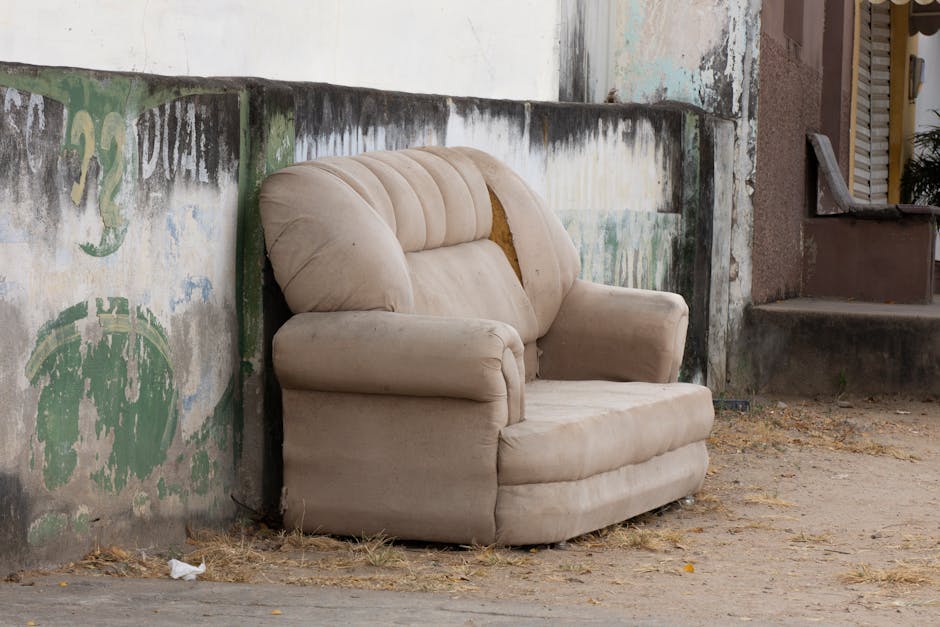
The second question is what kind of disposal route is appropriate. Some items are light enough to carry, others need two people, and some need to be broken down before moving. Bulky upholstered items can also contain mixed materials such as foam, timber, springs, textiles, and metal fixings, which makes them harder to dispose of casually. The cleaner's job is often to reduce confusion rather than to do everything personally.
Third, there is presentation. Even when an item is allowed for removal, it should not block footpaths, cause a trip hazard, or sit loose where rain can spread dirt and fluids. If you are leaving an item ready for collection, it should be tidy, stable, and placed with care. That's the boring bit, but it is the bit that avoids trouble.
In many cases, a sensible cleaner will also think about the wider service picture. For example, a deep-cleaned sofa might be followed by sofa cleaning, while heavily marked fabric chairs may be better handled through upholstery cleaning before anyone starts talking about disposal. If it is a commercial setting, the needs can be different again, which is why commercial carpet cleaning sometimes sits in the same operational conversation as waste management, site access, and scheduled clearances.
Key Benefits and Practical Advantages
Following proper upholstery disposal practice is not just about staying tidy. It brings a set of practical advantages that make your work smoother and your service more credible.
- Less risk of complaints: Clients are less likely to chase you about mess, missed collections, or items left in the wrong place.
- Better time management: Clear disposal steps prevent those annoying delays where everyone is standing around wondering who is responsible.
- Stronger trust: People notice when a cleaner handles awkward waste carefully. It feels professional.
- Reduced health and safety risk: Heavy furniture, damp upholstery, and hidden debris can all create hazards if handled casually.
- Improved sustainability: Repair, reuse, and recycling options can reduce needless waste.
- Cleaner job handovers: Clear disposal decisions make it easier to move from cleaning to collection or from salvage to replacement.
One of the quiet benefits is fewer surprises. If a client knows upfront that a damaged item may need special handling, they can plan properly. That matters a lot in small Harringay properties where an extra bulky item can dominate the hallway for half a day.
There is also a commercial advantage. A business that can explain the disposal process clearly tends to win confidence faster. People do not always want the cheapest answer. They often want the least chaotic one.
Who This Is For and When It Makes Sense
This topic is relevant to a wide range of people, not just professional cleaners. In practice, it tends to affect anyone who deals with upholstered items in a domestic or commercial setting.
- Domestic cleaners who discover a sofa, chair, or footstool is beyond repair after cleaning.
- Upholstery specialists deciding whether an item can be restored or should be removed.
- Letting agents and landlords handling end-of-tenancy furniture left behind by tenants.
- Office and hospitality teams managing tired seating, waiting room furniture, or reception chairs.
- Householders in Harringay who want to dispose of furniture without causing an issue for neighbours.
- Facilities managers who need a repeatable process for waste, clearance, and replacement.
It makes sense any time an upholstered item is too worn, too contaminated, too damaged, or simply not worth the effort to save. Sometimes the item is structurally sound but no longer suitable. Sometimes the frame is fine but the fabric is shot. Sometimes the problem is hygiene rather than appearance. Oddly enough, the smell is often the clue that tips the balance.
If you work in homes with pets, this comes up even more often. Pet stain and odour removal can rescue a lot of fabric, but there are situations where the contamination has soaked too deeply. Knowing the difference saves everyone time and disappointment.
Step-by-Step Guidance
Here is a practical, no-nonsense way to handle upholstery disposal decisions as a cleaner in Harringay.
- Inspect the item carefully. Check fabric condition, frame stability, odour, staining, dampness, and signs of pest activity. If the item is unsafe to move, do not force it.
- Separate "cleanable" from "disposable." Some items only need treatment, not removal. Others are done. Be honest about which is which.
- Identify the material mix. Upholstery often combines wood, foam, springs, plastic, and fabric. That affects how it should be handled and whether it can be stripped down.
- Decide on the disposal route. Can it be reused, donated, recycled, collected, or taken away as bulky waste? This is where a quick decision tree helps.
- Prepare the item. Remove loose debris, secure loose parts, and wrap or bag contaminated sections if needed. Keep the route out of the property clean.
- Move safely. Use two people for awkward items. Protect door frames, stairs, and shared hallways. No heroic lifting. Nobody needs a strained back on a Tuesday morning.
- Confirm the handover. Whether the item is going to a client's arranged collection point or being scheduled for removal, make sure everyone understands what happens next.
- Record the outcome. A short note in the job record can prevent future confusion, especially for repeat customers or landlords.
That process sounds formal, but it can be very quick once you are used to it. The key is consistency. The second key is not pretending that every old chair deserves the same treatment. It doesn't.
Expert Tips for Better Results
If you want smoother disposal decisions and fewer awkward moments, these are the habits that tend to pay off.
- Ask the right question early: "Do you want this cleaned, assessed for salvage, or removed?" That one sentence clears up so much.
- Check for moisture before moving: Damp furniture is heavier, messier, and more likely to mark floors or stair carpets.
- Use a conservative judgement on contamination: If you suspect deep contamination, do not overpromise restoration.
- Keep a disposal checklist in the van or office: Small systems beat memory every time.
- Protect shared spaces: In flats, lobbies, and stairwells, one careless trip can create a neighbour issue very quickly.
- Coordinate cleaning with disposal: Sometimes an item can be improved enough to keep. A quick treatment can save a bulky removal job.
Another good habit is to think in layers. First: can it be cleaned? Second: can it be repaired or used again? Third: if not, what is the cleanest disposal route? That order tends to produce better outcomes than jumping straight to the bin.
And yes, a little plain-English communication helps. People are relieved when you say, "This one is probably past saving," rather than dressing it up. It sounds less glamorous, but it's much easier to trust.
Common Mistakes to Avoid
Most problems with upholstery disposal come from rushed assumptions. Here are the ones that show up most often.
- Leaving items in communal areas too long: This creates nuisance and makes the job look unfinished.
- Ignoring the weight and shape of the item: A sofa is not just a sofa. It is a stairwell problem waiting to happen if handled badly.
- Assuming all upholstery is recyclable in the same way: Mixed materials complicate things. They often need separate handling.
- Failing to check for contamination: Body fluids, pet waste, mould, and pests are a different category from ordinary wear and tear.
- Not clarifying responsibility with the client: Who arranges disposal? Who pays? Who moves it? If nobody knows, trouble follows.
- Overpromising restoration: A slightly optimistic cleaner is fine. A wildly optimistic one, not so much.
One slightly awkward but important point: if you are working in a property where the item appears illegally dumped or abandoned, do not automatically assume it is yours to remove. Clarify responsibility first. It saves a lot of finger-pointing later.
Tools, Resources and Recommendations
You do not need a van full of specialist gear to manage upholstery disposal well, but a few practical tools make life easier.
- Heavy-duty gloves for handling old fabric, staples, splinters, and dust.
- Protective wraps or sheeting to keep contaminated items contained.
- Furniture straps or moving aids for awkward or heavy pieces.
- Basic inspection torch to check under cushions and along seams.
- Cleaning cloths and waste bags for loose debris and minor spill cleanup.
- Job notes or digital records so you can log what was agreed.
From a service perspective, it also helps to have adjacent cleaning offers ready when disposal is not the only answer. For example, mattress cleaning is often an alternative to replacement if the issue is surface-level rather than structural. Likewise, curtain cleaning can rescue fabric that might otherwise be binned too early.
If a stain is the main issue, not the construction, then stain removal may offer a better outcome than disposal. It sounds obvious when written down, but in the moment, people often panic and leap to the wrong conclusion.
Law, Compliance, Standards and Best Practice
It is sensible to be careful here. Disposal obligations can depend on the exact item, the property type, the waste route, and the local arrangement in place at the time. Because rules can change and situations differ, cleaners should avoid making absolute claims unless they have checked the current local guidance directly.
That said, the core best-practice principles are stable. Do not leave bulky waste where it creates a hazard or nuisance. Do not block access routes. Do not ignore contamination concerns. And do not present waste as reusable if it clearly is not.
In a professional setting, that means using a documented process, training staff on safe handling, and making sure the customer understands what is included. For example, if your service terms say removal is not included, say so clearly before the job starts. The terms and conditions should support that clarity, not bury it in the small print.
Health and safety also matters. Heavy lifting, sharp staples, mould exposure, and contaminated soft furnishings all carry practical risk. A business that follows its own health and safety policy is far better placed to protect staff and customers. If you are comparing service providers or subcontractors, it is also sensible to check insurance and safety information before anyone starts moving large items through a building.
For cleaner businesses, sustainability also counts as best practice. Responsible disposal, careful sorting, and using cleaning services before replacement all reduce waste. That doesn't mean every item should be saved. It just means saving what reasonably can be saved.
Options, Methods and Comparison Table
Not every upholstered item should follow the same route. Here is a simple comparison of the main options cleaners and clients usually consider.
| Option | Best for | Advantages | Drawbacks |
|---|---|---|---|
| Deep cleaning | Surface stains, general dirt, odours that have not fully penetrated | Cheaper than replacement, keeps furniture in use | Not suitable for structural damage or deep contamination |
| Targeted stain treatment | Single spills, localised marks, patchy wear | Fast, focused, often good value | Won't fix worn padding or broken frames |
| Repair or restoration | Minor damage, loose seams, fabric issues that are fixable | Extends the life of the item | May cost more time than expected |
| Responsible disposal | Unsafe, irreparable, heavily contaminated, or unwanted items | Clear endpoint, avoids ongoing problems | Needs proper handling and a sensible route |
In practice, the best choice often sits between cleaning and disposal. A client may think they need a new sofa when all they really need is a proper assessment and a solid clean. On the other hand, a soggy armchair with hidden damage is not a candidate for wishful thinking.
If you already offer steam carpet cleaning, you will know the same logic applies: assess first, treat sensibly, and avoid turning a recoverable item into waste through delay or rough handling.
Case Study or Real-World Example
Here is a realistic kind of scenario that comes up often. A Harringay landlord calls about a fabric sofa left after a tenancy. It smells stale, one cushion is split, and there are dark marks on the arms. The first instinct might be to strip it out immediately. But after a proper look, the frame is sound, the marks are surface-level, and the odour is mostly trapped in the fabric rather than soaked through the inner structure.
In that case, a cleaner might recommend treatment rather than disposal. The sofa can be assessed, cleaned, and deodorised, then judged again. Sometimes that one step is enough to save a useful piece of furniture. Sometimes it is not. Either way, the decision is based on evidence, not guesswork.
Now compare that with a second job: a small apartment chair with severe water damage, mouldy padding, and a broken foot. There is no real recovery path there. The sensible answer is safe removal and disposal, not a heroic cleaning attempt that only spreads the problem. Let's face it, nobody wants to discover mould halfway through a fabric brush-down. Not a great afternoon.
That contrast is exactly why disposal rules matter. They give cleaners a framework for deciding what to rescue and what to release.
Practical Checklist
Use this checklist before you agree to dispose of an upholstered item.
- Have I inspected the item properly?
- Is it cleanable, repairable, or genuinely beyond saving?
- Does it contain mixed materials that need careful handling?
- Is there any sign of damp, mould, pests, or bodily contamination?
- Have I explained the disposal route clearly to the client?
- Do I know who is responsible for moving or arranging collection?
- Is the route out of the property safe and clear?
- Do I need gloves, wraps, straps, or a second person?
- Have I recorded the decision in the job notes?
- Does the plan align with my recycling and sustainability approach?
A quick checklist like this takes less than a minute to run through, and it can save a lot of backtracking later. Small habit, big payoff.
If you need to speak with a team about a specific job or clarify service details, you can also review the company's contact options or compare service information on pricing and quotes before booking anything in.
Get a free quote today and see how much you can save.
Conclusion
Haringey Council upholstery disposal rules for Harringay cleaners are really about sensible handling, clear communication, and avoiding unnecessary risk. If you know when to clean, when to repair, and when to dispose, you protect your clients and make your own work far easier.
The best cleaners in Harringay do not just make furniture look better. They help people make the right decision about it. That may mean saving a sofa, replacing a chair, or moving an item out of the way properly and without fuss. Simple, but not always easy.
And honestly, that steady, careful approach is what people remember. It builds trust. It keeps jobs smooth. It leaves a room looking and feeling settled again, which is what most customers want in the end.
Frequently Asked Questions
What are Haringey Council upholstery disposal rules for Harringay cleaners in plain English?
In plain English, they are the practical expectations around how upholstered items should be assessed, moved, and disposed of without causing a nuisance, safety issue, or avoidable mess. For cleaners, that usually means checking whether an item can be cleaned or repaired first, then handling disposal carefully if it cannot be saved.
Can a cleaner throw away a sofa after cleaning if it is still usable?
Usually not without clear agreement. If the sofa is still usable, it should normally be treated as an item to keep, repair, or reuse rather than automatically discard. The customer should understand the decision, especially if the item is still structurally sound.
How do I know whether upholstery should be cleaned or disposed of?
Look at the condition of the fabric, the frame, the padding, and any contamination. Surface stains, odour, and light wear often point to cleaning. Deep mould, serious structural damage, or heavy contamination often point to disposal. When in doubt, inspect honestly and explain the limits.
Do upholstered items count as bulky waste?
In many cases, yes, because they are awkward to move and too large for ordinary bins. The exact handling route depends on the item and the arrangement in place, so it is best to treat them as bulky items rather than casual household waste.
Can upholstery be recycled after removal?
Sometimes parts of it can be recovered or separated, but upholstered furniture is often made from mixed materials, which makes recycling more complicated. That is why careful sorting and responsible handling matter. Not every piece will be recyclable in the same way.
What should cleaners do if a sofa is contaminated with pet odour or stains?
Assess the depth of the contamination first. Some cases can be treated successfully with targeted cleaning or odour removal. Others are too deeply affected. Pet stain and odour removal is often the right next step before deciding on disposal.
Is it better to repair a chair or dispose of it?
If the frame is sound and the damage is localised, repair or cleaning may make sense. If the structure is broken or the upholstery is heavily contaminated, disposal is usually the more practical option. The right answer depends on whether the item still has genuine life in it.
What records should a cleaner keep about upholstery disposal?
Keep a short note of what was inspected, what was agreed, and what happened next. That can include whether the item was cleaned, repaired, left in place, or removed. Basic records help avoid misunderstandings later, especially on repeat jobs.
How can Harringay cleaners avoid complaints about disposal?
Set expectations early, explain responsibility clearly, and do not leave items in a messy or unsafe position. A tidy handover and a quick written note are often enough to prevent confusion. People mainly want to know that the job is finished properly.
Does upholstery disposal connect with other cleaning services?
Very much so. A lot of items are only one step away from being saved, not discarded. Services like upholstery cleaning, sofa cleaning, mattress cleaning, and rug cleaning all sit in the same practical decision tree.
What is the biggest mistake people make with old upholstered furniture?
The biggest mistake is acting too quickly. People either throw things away that could have been saved, or they keep trying to rescue items that are clearly past it. A calm inspection usually gives the right answer, even if it is not the flashiest one.
Where can I learn more about the company's policies and service standards?
You can review the business pages that set out its approach to trust, safety, and service quality, including about us, health and safety policy, and insurance and safety. Those pages help explain how the service is run day to day.